Preventing violence at school starts long before a threat ever materializes, and it ends long after the immediate danger has passed. A safety assessment that only asks "what do we do during an incident" is missing most of the picture. At American Priority Project, our team of former law enforcement officers and certified safety professionals builds assessments around the full lifecycle of a threat: prevention, response, and recovery. Each piece depends on the others, and skipping one weakens the whole plan.
This isn't about installing more cameras or running one more fire-drill-style exercise and calling it done. It's about building a system where prevention efforts reduce the number of incidents that ever reach a crisis point, response protocols are second nature to staff when seconds matter, and the relationships needed to coordinate a fast, effective response are already in place before anyone dials 911.
The most effective prevention work happens quietly, well before any incident. A trained, functioning threat assessment team is the backbone of this effort — a standing group that includes administrators, counselors, school resource officers, and mental health staff who know how to receive concerning reports, evaluate them consistently, and intervene early. Physical access control matters too, but it should be evaluated as part of a system, not a checklist item.
Lockdown is the default most people picture, but it isn't always the right call. Depending on where a threat is located and where students and staff are relative to it, evacuation or barricading in place may be safer. Staff need more than a poster on the wall — they need training that builds real judgment for reading a situation and choosing the right response in the moment, plus clear protocols for the decisions they'll face.
A drill that's announced weeks in advance, run the same way every year, and treated as an interruption to instruction doesn't prepare anyone for a real event. Effective drills are designed to reflect plausible scenarios, involve local responders when possible, and are debriefed honestly afterward so gaps get fixed rather than glossed over. The goal is calm, practiced action — not perfect performance on a known script.
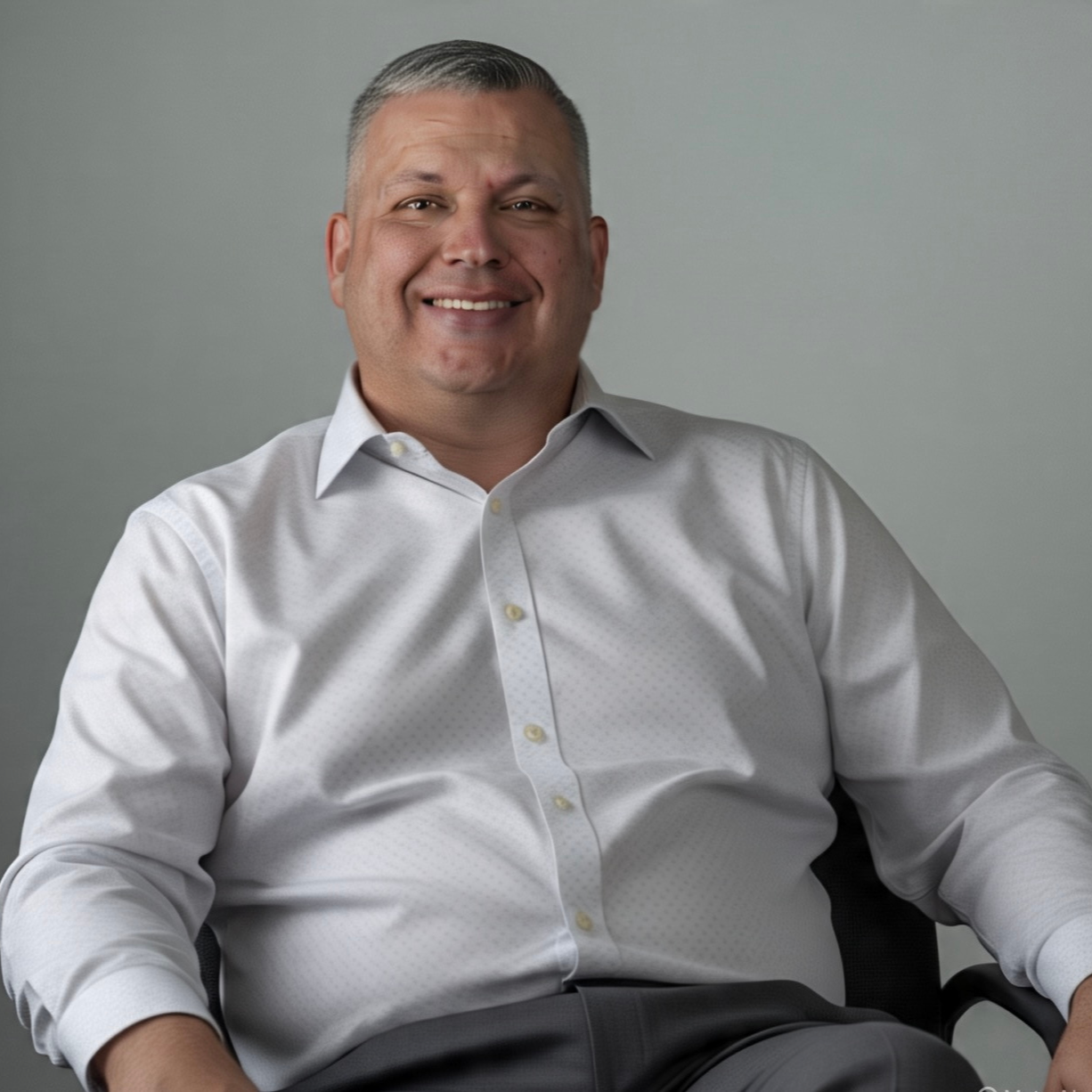
This framework reflects the field experience of Brent Morgan, who has hands-on experience responding to active shooter events at the high school and university level. Meet our team →
The first time your school's administration and local police department discuss building layouts, radio channels, and command structure should never be during an actual event. Departments that build these relationships ahead of time move faster and communicate more clearly when it counts. This means inviting local law enforcement and fire/EMS into your building for walkthroughs, sharing floor plans and access information in advance, and agreeing on unified command protocols before they're needed.
What happens in the hours, days, and weeks after an incident shapes how a school community heals. Recovery planning is often an afterthought, assembled hastily after the fact instead of prepared in advance. A strong plan addresses reunification logistics, mental health support for students and staff, communication with families and media, and a path back to normal operations that doesn't rush people past what they've experienced.
None of this work happens overnight, and none of it should be treated as finished once a plan is written. Threats evolve, staff turn over, and buildings change. The schools that stay genuinely prepared are the ones that treat safety assessment as an ongoing practice — reviewed, drilled, and refined year after year, with law enforcement and safety professionals as partners in the process rather than outside consultants brought in only after something goes wrong.