First responders don't build the relationships that save lives during a crisis — they build them in the months and years before one ever happens. When police, fire, and EMS have already walked your hallways, already know your lockdown protocols, and already have a name to call when something goes wrong, response time and response quality both improve. The alternative — trading business cards in the parking lot while an incident is unfolding — is how confusion, delay, and preventable injury creep into an otherwise well-executed plan.
American Priority Project works with schools and organizations to formalize these relationships long before they're tested. What follows is the groundwork we recommend putting in place, and why each piece matters when seconds count.
Every agency that might respond to your campus should already know your name, your layout, and your point of contact. This isn't a one-time introduction; it's an ongoing relationship that gets reinforced through regular contact, not just an email chain that goes cold after the first semester.
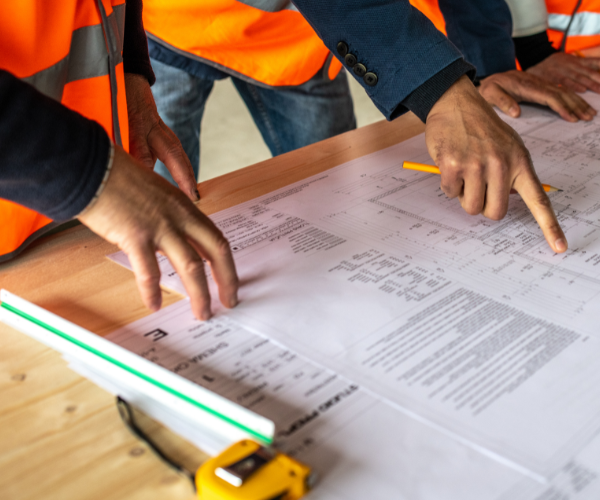
First responders arriving at an unfamiliar building are working from memory, guesswork, and whatever they can see through a window. That's a solvable problem. Floor plans, access credentials, and key information should already be sitting in an apparatus or on a dispatch server long before an incident call ever goes out.

These practices reflect Brent Morgan's law enforcement career — including major event security and coordination across state, federal, and local agencies. Meet our team →
A floor plan on paper and a floor plan you've physically walked are two different levels of readiness. Joint walkthroughs let responders see sightlines, blind corners, and choke points in person, and they let your staff hear firsthand how responders think about the space.
Internal drills prove your staff can execute your plan. Joint drills prove your plan actually works when outside responders are moving through your building in real time. These are different tests, and both are necessary.
Every incident needs one clear chain of command, and that chain should be settled before the first responder crosses the threshold. Incident command structure is well established in the public safety world; the work on your end is making sure your staff understand it and know where they fit into it.
None of this is complicated, and none of it requires special equipment or a large budget. It requires consistent effort, a willingness to invite outside eyes into your building before there's a reason to, and the discipline to keep the relationship current rather than letting it lapse. That's the difference between a plan that looks good on paper and one that holds up when it's actually tested.