Most schools handle the acute phase of an incident well. Notifications go out, first responders coordinate, parents get contacted, and the building returns to a normal schedule within a day or two. Then the debrief gets scheduled for "next week" and quietly disappears. Staff are exhausted, the news cycle moves on, and administrators feel pressure to project a sense that everything is under control rather than reopen a conversation about what went wrong. That instinct is understandable, but it is also how the same gaps get discovered a second time, during a second incident, when the cost of not knowing is much higher.
A post-incident debrief is not a formality and it is not an inquisition. Done correctly, it is one of the most cost-effective safety investments a school makes, because it converts a lived experience into institutional knowledge before that experience fades or gets rewritten by memory and rumor. Here is how to run one that actually changes what happens next time.
There is a real tension between "do this quickly, while memories are fresh" and "give people a minute to decompress before asking them to relive it." The workable rule of thumb is 48 to 96 hours: soon enough that timelines and radio traffic are still sharp in people's minds, late enough that the immediate adrenaline has passed and staff can speak in complete sentences instead of just reacting. Waiting longer than a week almost guarantees the debrief never happens at all, because the calendar fills back in and the incident starts to feel like old news.
The fastest way to kill a debrief is to let it turn into a search for someone to blame. Once that happens, people stop volunteering honest information, and the sessions afterward become exercises in managing the record rather than improving anything. A blameless structure does not mean ignoring performance problems; it means separating the fact-finding conversation from any personnel conversation that needs to happen, and holding the two on different tracks with different participants.
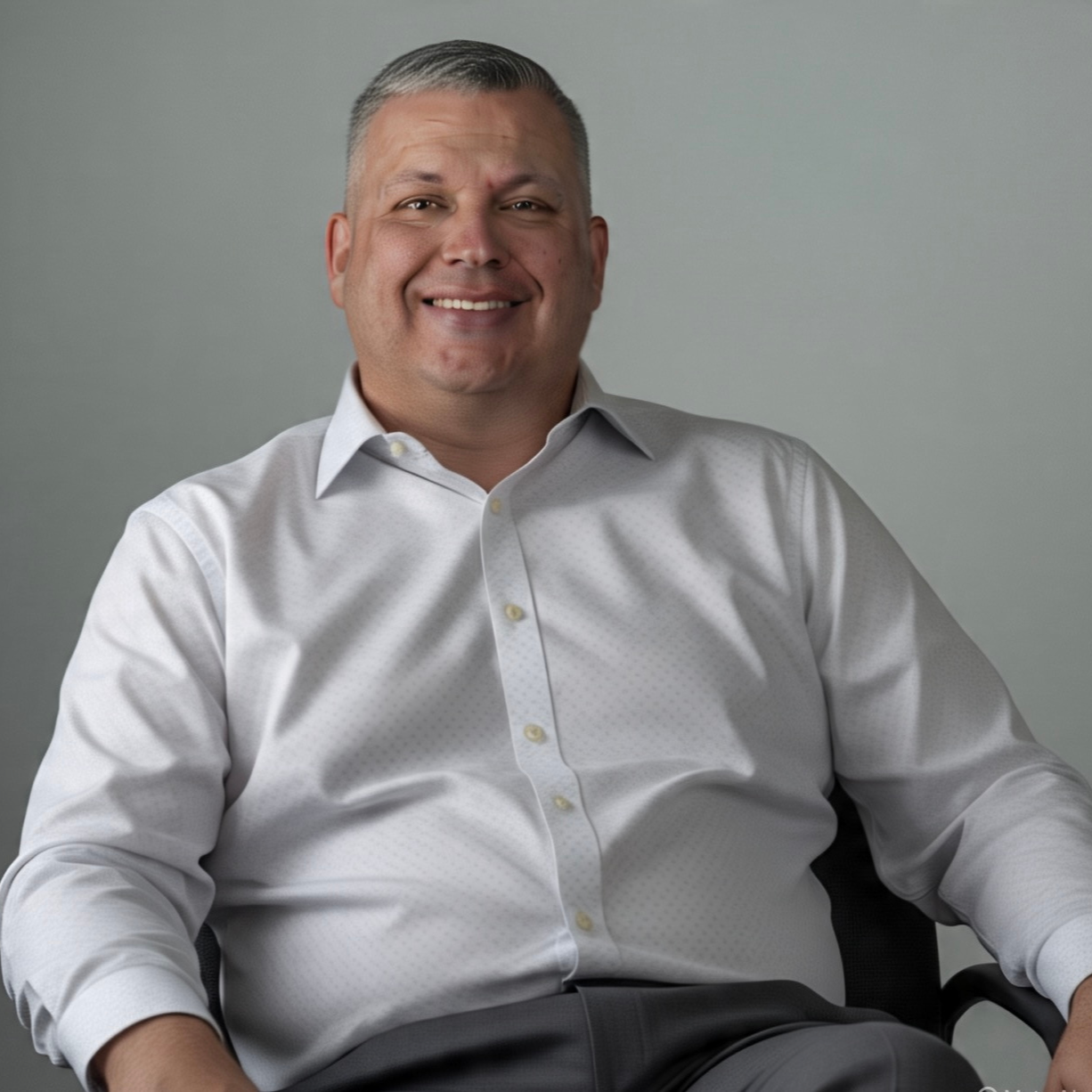
Brent Morgan brings incident command and court testimony experience to how we structure and document these sessions. Meet our team →
Schools sometimes avoid documenting debriefs out of a vague fear that a written record will be used against them later. In practice, the opposite is usually true. A thorough, factual record showing that the district identified its own gaps and corrected them is evidence of a functioning safety program. The absence of any record, or a record that only exists because litigation forced one to be reconstructed months later from memory, is far harder to defend. Write it as a factual account, not a narrative with opinions baked in, and route it through your normal document-retention and privilege channels so it is handled consistently with legal counsel's guidance.
A debrief that ends with a list of general observations has produced a memo, not a safety improvement. Every finding that implies a change needs an owner, a concrete action, and a deadline, the same way any other operational task gets tracked. "We should look into better radio coverage in the east wing" is not actionable. "Facilities director evaluates and quotes a repeater solution for the east wing by the end of next month" is.
The single most common failure in this whole process is not skipping the debrief, it's skipping the follow-up. Action items get assigned, the meeting ends, and nobody checks six weeks later whether the radio repeater actually got installed or the revised reunification procedure actually got trained. A debrief without verification is a paper exercise that provides the appearance of improvement without the substance.
The schools that get real value out of debriefs treat them as a standing discipline rather than a reaction to a single bad day. The format above works whether the incident was a full lockdown or a minor procedural breakdown that never made the news. What matters is that the habit is in place before you need it, so that when something does happen, the organization already knows how to learn from it.